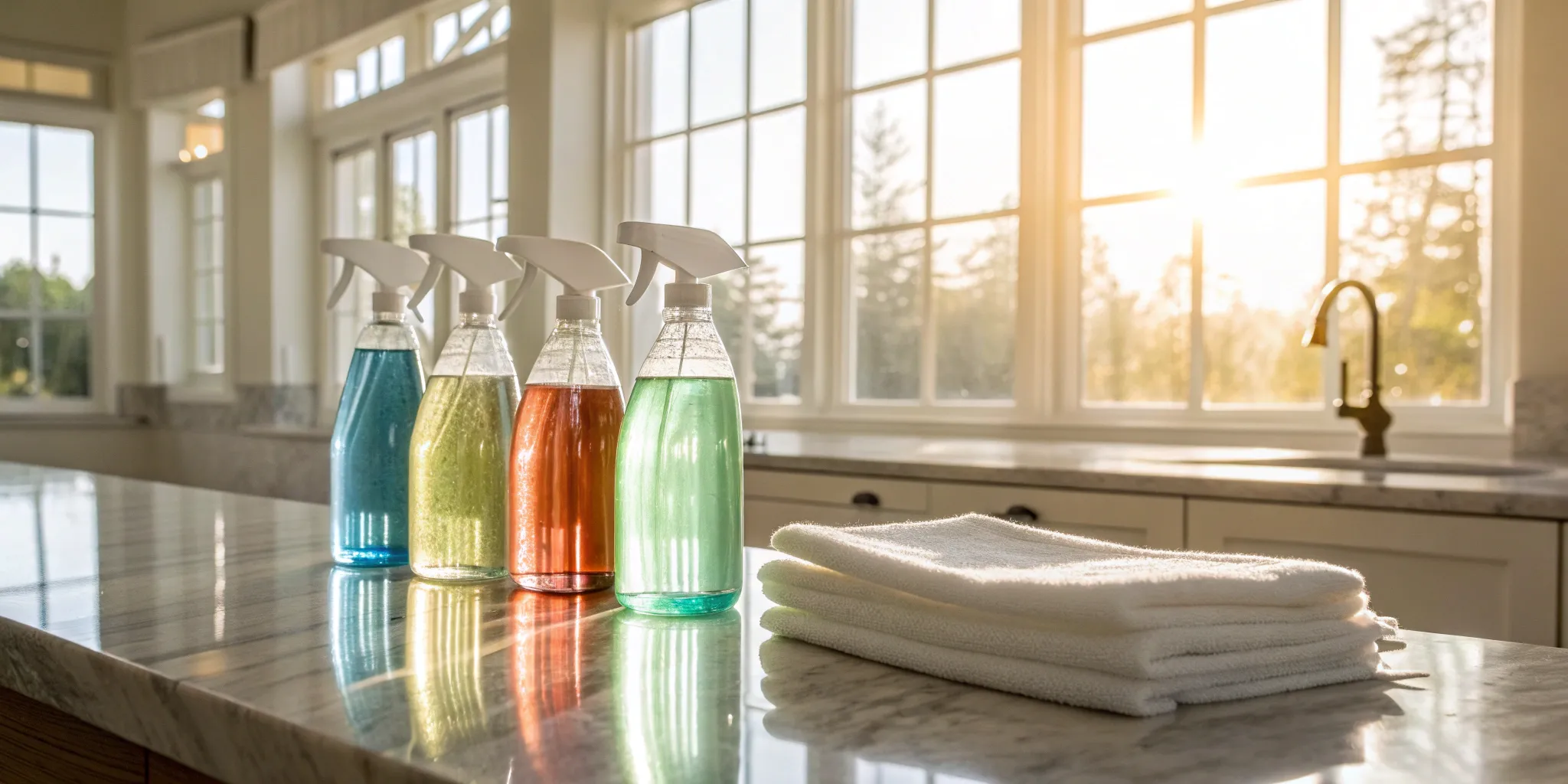
Your windows are more than just a way to see outside; they are a significant investment, often accounting for a large portion of your home's value. Here in Maricopa County, that investment is under constant threat from corrosive desert dust and hard water stains that can permanently etch the glass. Regular maintenance is the key to preventing this costly damage. While our certified technicians use specialized formulas for deep cleaning, a high-quality homemade window washing solution is your first line of defense for weekly upkeep. In this article, we’ll share simple, effective recipes to help you protect your glass and preserve its clarity for years to come.
We’ve all been there: you spend an afternoon washing windows, only to step back and see a maze of streaks and smudges. It’s frustrating, but the truth is, achieving a crystal-clear finish doesn’t require a cabinet full of expensive, chemical-laden sprays. The secret often lies in a simple, homemade solution that cuts through grime without leaving behind any residue. Creating your own window cleaner is not only effective for routine touch-ups but also gives you complete control over the ingredients you use in your home.
Many professional-grade cleaners are formulated for specific challenges, like the corrosive desert dust we see here in Arizona. But for everyday fingerprints and light dust, a simple DIY mix is a fantastic tool to have in your cleaning arsenal. It’s about using the right ingredients in the right combination to get the job done efficiently. With just a few common household items, you can mix up a solution that leaves your windows sparkling and your view unobstructed.
The foundation of a great homemade window cleaner is surprisingly simple. You’ll want to start with a clean spray bottle and combine equal parts distilled water and white vinegar. Vinegar is a powerhouse cleaner because its acidity is perfect for breaking down the greasy film and grime that builds up on glass. For windows that are carrying a bit more dirt, especially on the exterior, adding a few drops of a basic dish soap will help lift away the stubborn spots. The key is not to overdo it with the soap—just a small amount is needed to add extra cleaning power without creating suds that are difficult to remove.
Opting for a homemade window washing solution is a smart choice for several reasons. First, it’s incredibly cost-effective. The ingredients are staples in most kitchens, saving you money compared to purchasing specialized cleaners. Second, you can avoid the harsh chemicals often found in commercial products. A simple vinegar and water mixture is a natural and non-toxic alternative, making it a safer choice for homes with children and pets. By mixing your own solution, you know exactly what’s in it, ensuring you’re not introducing unwanted chemicals into your home environment while still getting that perfect, streak-free shine.
You don't need a specialty cleaner to get sparkling windows. The most effective, streak-free formulas are made from simple ingredients you likely already have in your pantry. Understanding what each component does is the key to mixing a solution that delivers a professional-level shine. These four staples are the building blocks for crystal-clear glass, each playing a specific role in cutting through dirt, preventing spots, and leaving behind a flawless finish.
White vinegar is the heavy lifter in your cleaning kit. Its mild acidity is fantastic for breaking down greasy films and stubborn grime. A simple mix of equal parts vinegar and water creates a powerful, all-natural cleaner. For particularly grimy windows, like those near a kitchen or outdoor grill, adding a drop of dish soap gives it an extra edge to dissolve oily residue. This combination is a great starting point for any homemade solution and leaves your glass perfectly clear.
A little dish soap goes a long way. You don't want a sudsy mess, but a few drops in your mixture make a huge difference on windows caked with dust. Dish soap acts as a surfactant, helping lift and suspend dirt so it can be wiped away instead of smeared around. It’s a gentle but powerful addition that helps your solution glide smoothly, making the entire cleaning process more effective. It's a well-known secret for tackling extra-dirty jobs without leaving streaks.
If streaks are your biggest frustration, rubbing alcohol is the ingredient you've been missing. Adding a splash to your cleaning mix is a game-changer for that coveted streak-free finish. Why? Because alcohol evaporates much faster than water, preventing spots and streaks from forming as you clean. A popular window cleaning recipe uses this trick to create a solution that disappears without a trace, which is especially helpful on warm Arizona days.
This might be the most crucial ingredient for a perfect finish, especially here in Arizona. Our tap water is notoriously hard, full of minerals that create annoying white spots as water evaporates. Using distilled water, which has had all its minerals removed, is the only way to guarantee a truly spotless shine. This simple swap ensures the only thing your solution leaves behind is sparkling, clear glass, helping you properly maintain your windows and protect them from mineral buildup.
While our professional-grade solutions are specifically formulated to combat the corrosive desert dust unique to Maricopa County, having a great DIY cleaner on hand for quick touch-ups is always a smart idea. These simple, effective recipes use common household ingredients to give you a beautiful, streak-free shine between professional cleanings. They are perfect for tackling everyday smudges from kids, pets, or just life, helping you maintain that pristine view.
This is the go-to recipe for a reason—it’s simple, economical, and it works. For a reliable, streak-free cleaner, just combine equal parts distilled water and white vinegar in a clean spray bottle. The natural acidity in the vinegar is fantastic for cutting through the film and grime that can build up on your interior windows. Using distilled water is a key step, especially here in Arizona, as it prevents the mineral deposits found in our hard tap water from leaving behind stubborn spots. Just give the bottle a gentle shake before each use, and you’re ready to go.
When you’re facing more than just a few fingerprints, you need a solution with a bit more power. For tougher jobs, especially on exterior glass that collects more dust and dirt, you can easily upgrade the classic vinegar mix. Simply add about half a teaspoon of dish soap to your spray bottle containing the 1:1 vinegar and water solution. The soap helps to break down and lift away stubborn grime and greasy residue more effectively. A word of caution: don't overdo it. Adding too much soap can leave behind a film that’s difficult to rinse away completely.
If you want to clean your windows efficiently without worrying about streaks, this quick-dry formula is your best friend. In a spray bottle, combine two cups of distilled water, a half-cup of white vinegar, and a quarter-cup of 70% concentration rubbing alcohol. The alcohol is the magic ingredient here; it helps the solution evaporate almost instantly from the glass surface. This rapid evaporation is what prevents new streaks from forming as you wipe, giving you a perfectly clear finish in less time. It’s an excellent choice for cleaning on warmer days or when you’re short on time.
For those who enjoy a pleasant aroma while they clean, adding essential oils can transform a routine chore into a more enjoyable experience. This recipe is less about changing the cleaning power and more about elevating the process. Start with any of the recipes above—the classic vinegar mix is a great base. Then, add 10 to 15 drops of your favorite essential oil. Lemon, lavender, and tea tree oil are all wonderful choices. Lemon adds a fresh, clean scent, while lavender provides a calming aroma. This small addition leaves your room smelling wonderful and adds a personal touch to your cleaning routine.
Even the best homemade window washing solution won't give you a perfect shine without the right equipment. Using professional-grade tools is the secret to achieving that coveted streak-free finish efficiently and safely. Before you mix your solution, take a moment to gather a few key items. Having everything on hand will make the entire process smoother and give you a result that looks like you hired a pro.
While a good microfiber cloth is excellent for wiping down frames and sills, a high-quality squeegee is non-negotiable for the glass itself. A squeegee blade pulls water and dirt away in one clean motion, which is the key to preventing streaks. For the best results, start with the blade at the top corner of the window and pull it straight down in a single, smooth pass. After each pull, wipe the rubber blade clean with a lint-free cloth to avoid dragging dirt across the glass. Mastering this simple squeegee technique is the fastest way to get flawless windows.
You’ll want to start with a dedicated bucket filled with your cleaning solution. Using the same bucket you use for mopping floors can transfer grit and grime, so it’s best to keep one just for windows. You’ll also need a window scrubber or a large, soft sponge to apply the solution and gently loosen any stubborn spots. A good window washing kit will include a scrubber with a non-abrasive pad that can tackle dirt without scratching your glass. Having a few extra clean, lint-free cloths on hand is also smart for catching drips and wiping down your tools as you go.
For second-story windows or those hard-to-reach panes in vaulted entryways, a sturdy extension pole is a much safer choice than a wobbly ladder. Most professional window scrubbers and squeegees have threaded handles that easily attach to a standard extension pole. This allows you to reach high windows from the safety of the ground while maintaining full control. It not only protects you from falls but also helps you apply even pressure, ensuring a consistent, streak-free clean across the entire surface of the glass.
Once you’ve mixed your cleaning solution and gathered your tools, it’s all about the application. The right technique is what truly separates a streaky, frustrating job from a crystal-clear, professional-looking finish. It’s not just about wiping down the glass; it’s about using a systematic approach that removes every bit of dirt and solution without leaving anything behind. These are the core methods that ensure a flawless shine every time, whether you’re tackling a small bathroom window or a large picture window overlooking your yard.
It might seem like a bright, sunny day is perfect for spotting dirt on your windows, but it’s actually the worst time to clean them. When the sun is beating down on the glass, it heats the surface and causes your cleaning solution to evaporate almost instantly. This rapid drying doesn't give you enough time to wipe the solution away properly, leaving behind soap residue and mineral deposits that create stubborn streaks and spots. For the best results, always clean your windows when it’s cool. Plan your cleaning for the early morning, late afternoon, or on an overcast day to ensure your solution stays put long enough for you to squeegee it off completely.
A squeegee is your best friend for achieving a truly streak-free finish, but only if you use it correctly. Start by dipping your scrubber in the solution and giving the entire window a good, sudsy wash. Then, grab your squeegee. Begin at a top corner and pull it down in a single, straight stroke. After every single pass, wipe the rubber blade clean with a microfiber cloth—this is the non-negotiable secret to preventing dirt from being dragged across the glass. Overlap each stroke by about an inch to ensure you don’t miss any spots. This simple but effective squeegee method is the fastest way to get that perfect, professional clarity.
Trying to wash an entire large window or sliding glass door all at once is a recipe for streaks. Just like cleaning in direct sun, letting the solution dry on the glass is the primary cause of a poor finish. To avoid this, work on one window at a time and break larger panes down into manageable sections. Apply your solution to one section, squeegee it clean, and then move on to the next. This ensures that you can always remove the solution while it’s still wet, giving you complete control over the outcome. Finishing one window completely before moving on makes the project feel less overwhelming and guarantees a much better result.
You’ve mixed the perfect DIY solution and gathered your tools, but the final result still comes down to technique. Even the best homemade cleaner can leave streaks if it’s not applied correctly. Getting that professional, crystal-clear finish means avoiding a few common pitfalls that can turn a productive afternoon into a frustrating one. From the cloths you choose to the way you handle your squeegee, small adjustments can make a huge difference. Let’s walk through the most frequent mistakes so you can sidestep them and get the beautiful, clear windows you’re after.
If you reach for a roll of paper towels to dry your windows, you might be creating more work for yourself. Paper towels and old cotton rags tend to fall apart when wet, leaving behind a trail of lint and fibers that cling to the glass. This is one of the fastest ways to ruin a perfectly good cleaning job. Instead, the pros always opt for lint-free materials to get that flawless, streak-free shine. A high-quality microfiber cloth is your best friend here. They are super absorbent, trap dirt effectively, and won’t leave any frustrating residue behind.
It’s tempting to think that drenching your windows in cleaning solution will get them extra clean, but it often does the opposite. Applying too much cleaner can be difficult to remove completely, leading to a hazy film or stubborn streaks once it dries, especially under the Arizona sun. A light mist is usually all you need to dissolve dirt and grime effectively. Start with a less-is-more approach. You can always add another spritz if you encounter a tough spot, but it’s much harder to correct for over-spraying. This simple change will save you time and give you a much cleaner result.
This small step is a non-negotiable for professionals, and it’s one that DIYers often forget. After each pull of the squeegee, you’re dragging away dirty water and cleaning solution. If you don’t wipe the blade clean before your next pass, you’ll just reapply that grime right back onto the window. Keep a clean, dry microfiber cloth in your pocket and give the rubber blade a quick wipe after every single stroke. As experts at Marvin Windows note, this simple habit is essential for preventing streaks and ensuring every inch of your glass is perfectly clear.
Living in the Sonoran Desert means enjoying incredible views and sunshine, but that environment also presents unique challenges for your home. Your windows bear the brunt of the harsh climate, facing more than just a little dust. The combination of intense sun, low moisture, and specific mineral content in our dust and water means your glass requires a different level of care than windows in other parts of the country. Protecting this significant investment isn't just about keeping up appearances; it's about preventing permanent damage that can be costly to repair. Understanding what your windows are up against is the first step to preserving their clarity and integrity for years to come.
That fine layer of dust that settles on everything isn't as harmless as it looks. Here in Arizona, desert dust is often alkaline and abrasive. When it mixes with morning dew or moisture from a passing storm, it creates a corrosive slurry that can etch and pit your glass over time. This desert dust window damage doesn't just obscure your view; it weakens the glass itself. Over time, this buildup can also degrade window frames and seals, compromising your home's energy efficiency. Regular cleaning is crucial to remove these corrosive particles before they have a chance to bond with the surface and cause irreversible harm.
If you've ever noticed chalky white spots on your windows, you've seen hard water stains. These are mineral deposits—primarily calcium and magnesium—left behind when water evaporates. In Maricopa County, our water is notoriously hard, and these stains can come from sprinklers, pool splashes, or even washing your windows with unfiltered tap water. Left untreated, the sun bakes these minerals directly into the glass, creating a cloudy appearance that no amount of simple scrubbing can remove. A proper window care and maintenance guide will always emphasize using the right techniques and solutions to dissolve these minerals without scratching the glass, keeping your windows truly transparent.
Treating window cleaning as regular, preventative maintenance is one of the smartest moves a homeowner can make in Arizona. A monthly cleaning schedule prevents corrosive dust and hard water minerals from ever getting a foothold. Think of it like your pool or landscaping service—it’s a consistent effort to protect a valuable asset. This proactive approach not only preserves your stunning views but also protects your interior furnishings from the fading effects of harsh glare. By investing in routine professional care from Essential Washing, you avoid the much higher cost of glass restoration or full window replacement down the road, ensuring your home remains as beautiful as its desert surroundings.
Figuring out how often to wash your windows can feel like a guessing game, but it doesn't have to be. While a general rule of thumb is helpful, the perfect schedule really depends on your home’s specific environment. Here in Arizona, factors like dust storms and the intense sun mean our windows need a bit more attention than in other parts of the country. Creating a consistent schedule isn't just about keeping up appearances; it's about protecting the glass that makes up a significant part of your home's value and preserving those beautiful desert views. A little planning goes a long way in preventing the corrosive dust from causing permanent damage.
For most homes, a deep cleaning twice a year—once in the spring and again in the fall—is a great starting point. A spring wash clears away the dust and grime accumulated over the winter, letting the sunshine in. A fall cleaning gets your home ready for the holiday season and our gorgeous winter weather. However, given our unique Sonoran Desert environment, many homeowners find they need more frequent cleanings. If your home is exposed to high winds or is near new construction, you might find a monthly exterior wipe-down is necessary to keep the corrosive dust from settling in and damaging your glass.
Certain situations call for a more frequent cleaning schedule. Monsoon season, for example, can leave behind a layer of dirt and hard water spots. If you live near a golf course or a busy road, you’ll also deal with more dust and debris. It’s a good idea to periodically inspect your window frames and seals and always keep the tracks clear of dirt. When debris builds up in the tracks, it can hold moisture and grit against the glass and frame, leading to scratches and damage over time. A proactive approach is the best way to protect your investment.
Your windows will tell you when they need a wash. The most obvious sign is a visible layer of dust that obscures your view, especially when the sun hits it just right. You might also notice stubborn water spots from sprinklers or rain that don’t wipe away easily. If your windows look hazy or streaky even after a light rain, it’s a sign that dirt has built up. Regularly cleaning your windows helps them operate at their best and prevents buildup from becoming a bigger problem. If you’re constantly noticing these signs, it might be time to get a professional opinion.
While a great DIY solution is perfect for touch-ups and routine upkeep, there are times when calling for backup is the smartest move for you and your home. Knowing when to hand the squeegee over to a professional isn't about giving up; it's about getting the best possible results safely and efficiently. For certain jobs, especially when dealing with the unique challenges of Arizona's climate, the right tools, training, and expertise make all the difference in protecting the significant investment you have in your home's glass.
Let's be honest: nobody loves climbing a wobbly ladder. If your home has second-story windows, skylights, or other hard-to-reach glass, safety should be your top priority. Professionals have the proper equipment and safety training to handle these jobs without risk. Beyond height, some messes are just too tough for a homemade solution. The Sonoran Desert dust isn't just dirt; it can be corrosive. When combined with our hard water, it can lead to stubborn spots and a hazy film that DIY methods can't cut through. Attempting to scrub these away with the wrong technique can permanently scratch your windows. A professional can save you valuable time and protect your glass from costly damage.
Hiring a professional is one thing, but hiring a certified professional offers a completely different level of service and peace of mind. As Arizona's only company with 100% Certified Professional Window Cleaners, we know that certification means a commitment to the highest industry standards. Our team is trained to identify different types of glass and use specific techniques that clean effectively without causing harm. We use proprietary, lab-formulated solutions designed to break the molecular bond between corrosive dust and your glass—something no DIY recipe can replicate. This specialized approach not only delivers a superior, streak-free shine but also helps protect your window frames and sills from long-term environmental damage, ensuring your view stays crystal clear.
Are these DIY recipes the same as what professionals use? Think of these homemade solutions as great tools for everyday touch-ups, like wiping away fingerprints or light dust between professional visits. Our team uses proprietary, lab-formulated solutions specifically engineered to break down the corrosive desert dust found here in Maricopa County. While a vinegar mix is fantastic for simple grime, our professional-grade products are designed to provide a deeper clean and protect your glass from long-term environmental damage.
I followed a recipe but still see streaks. What am I doing wrong? Streaks are almost always caused by one of three things. The most common culprit is cleaning in direct sunlight, which makes the solution dry too fast. The second is using tap water instead of distilled water, which leaves behind mineral spots. Finally, make sure you are wiping your squeegee blade with a clean, dry cloth after every single pass. Skipping that step just drags dirty water back across the clean glass.
Will vinegar damage my windows or window frames? When properly diluted with water, white vinegar is perfectly safe for glass and won't cause any harm. It's a gentle, effective cleaner. However, you should be mindful of your window frames. If you have painted or sealed wood frames, it's always a good idea to wipe up any drips of the cleaning solution promptly to avoid any potential discoloration or damage to the finish over time.
Why is using distilled water so important in these recipes? Here in Arizona, our tap water is notoriously hard, meaning it’s full of minerals like calcium and magnesium. When you use tap water to clean, those minerals get left behind on the glass as the water evaporates, creating those stubborn white spots. Distilled water has had all of those minerals removed, so it evaporates cleanly and leaves nothing behind but a perfectly clear, spot-free shine.
How often should I really be cleaning my windows in the desert? A full interior and exterior cleaning twice a year is a great baseline for any home. However, because our Sonoran Desert dust is so corrosive, we recommend a monthly exterior cleaning to protect your investment. Treating it like your regular pool or pest control service prevents that damaging dust from bonding to the glass, preserving your view and preventing costly damage down the road.