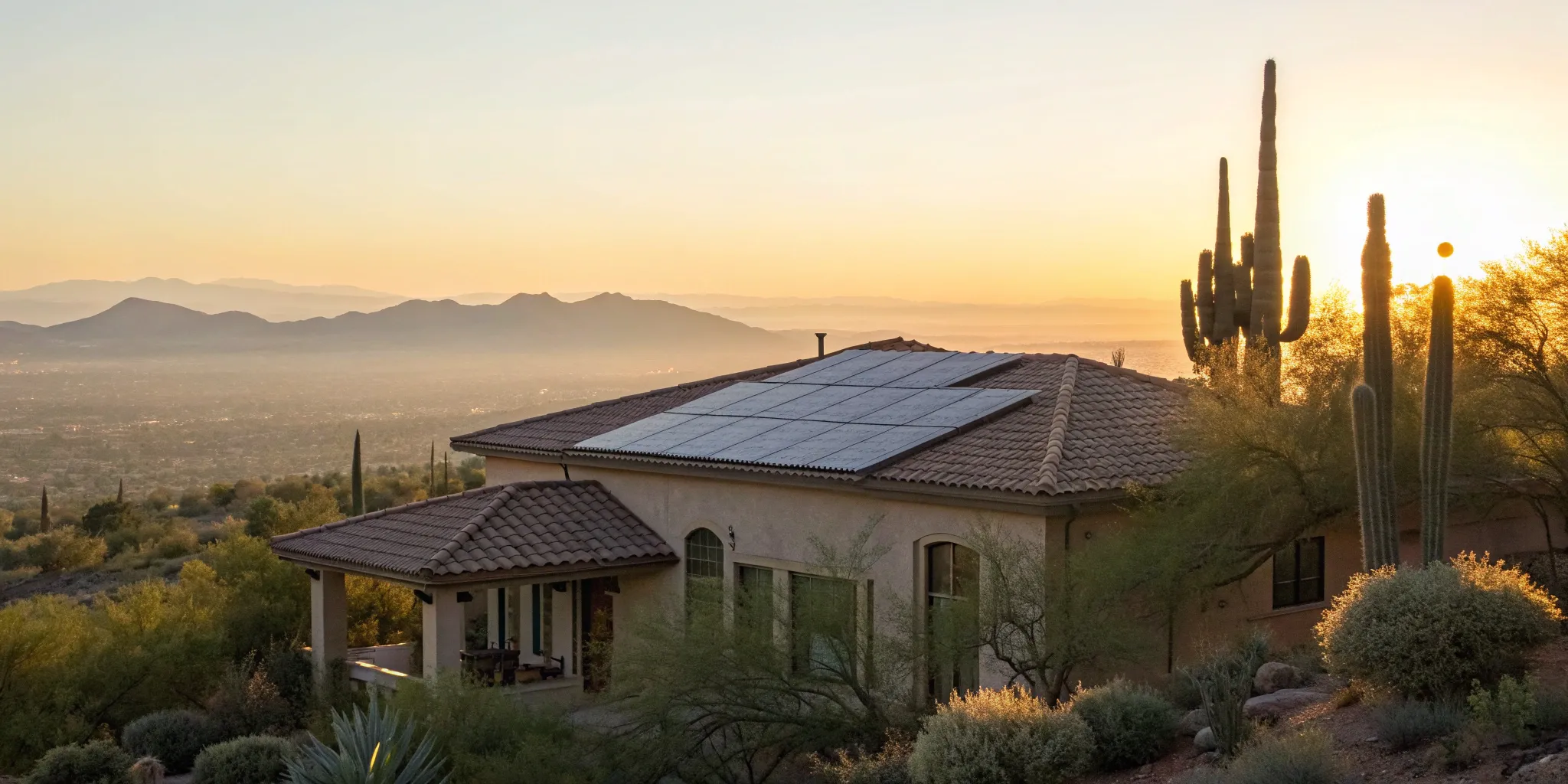
Living in Maricopa County means we get an incredible amount of sunshine, making solar power a brilliant choice. However, it also means dealing with conditions you won’t find elsewhere. After a haboob or even just a few windy days, a thick layer of grime can settle on your panels. This isn't just dust; it's a unique, abrasive mixture that can etch glass and degrade your system's efficiency. Standard cleaning methods often fall short. This guide is specifically for Arizona homeowners who understand that our environment demands a smarter approach to rooftop solar panel cleaning—one that protects against long-term damage while maximizing energy production.
Your solar panel system is a significant investment in your home’s value and energy independence. Just like any other high-performance asset, it requires regular maintenance to operate at its best. Here in Arizona, that means keeping the panels free from the dust and grime that can accumulate quickly. Think of it as simple upkeep that pays you back by ensuring you get the most out of our abundant sunshine.
The primary job of your solar panels is to capture sunlight and convert it into electricity. When a layer of dust, dirt, or bird droppings covers the surface, it blocks the sun's rays and can significantly reduce their efficiency. Even a thin film of Sonoran Desert dust can prevent your system from generating its maximum power, which means you could be losing out on energy savings every single day. Regular, professional cleaning ensures your panels are always clear and ready to absorb every possible ray of sunlight, keeping your system’s performance and your savings at their peak.
Beyond immediate energy production, routine cleaning is crucial for protecting the lifespan of your solar panels. Here in Maricopa County, we don't just deal with ordinary dust. The corrosive desert dust unique to our environment contains abrasive particles that, if left to sit, can etch and permanently damage the glass surface of your panels. This damage can lead to irreversible performance decline. By having your panels professionally cleaned with the right techniques and solutions, you’re not just washing away dirt—you’re performing preventative maintenance that safeguards your valuable investment from long-term harm and ensures it continues to serve your home for years to come.
Gathering the right supplies is the first step to cleaning your solar panels safely and effectively. Using the wrong tools or solutions can do more harm than good, potentially scratching the glass or damaging the anti-reflective coating that helps your panels perform their best. Think of it less like washing a window and more like maintaining a sensitive piece of equipment. Before you start, make sure you have everything you need on hand to protect both your panels and yourself.
To clean your panels without causing scratches, you’ll need a brush with very soft bristles, similar to one you might use to wash a car. A long, non-metallic extension pole is essential for reaching the panels from the ground or a stable ladder. You'll also need a standard garden hose with a spray nozzle to gently rinse the panels. Avoid using high-pressure washers, as the force can damage the panel seals and even the solar cells themselves. A simple bucket for your cleaning solution and a squeegee with a soft rubber blade will round out your toolkit for a streak-free finish.
When it comes to cleaning solutions, less is more. In many cases, deionized water is all you need to remove dust and grime. If you’re dealing with more stubborn buildup, a small amount of a neutral, pH-balanced soap mixed with water is a safe bet. It's critical to avoid harsh, abrasive chemicals like bleach or ammonia-based cleaners. These substances can create a chemical reaction with the panel's components and void your warranty. The goal is to use a cleaner that lifts dirt without leaving behind a residue that could attract more dust.
Safety is the most important part of this process, especially since you’re working near an electrical system and often at height. Always wear non-slip shoes with good grip. If you must use a ladder, ensure it’s placed on stable, level ground and that you maintain three points of contact at all times. For any work done on the roof, professional-grade safety equipment is non-negotiable. This includes a properly fitted harness and a secure anchor point. Because of the significant risks involved, we always recommend that homeowners prioritize safety and leave any rooftop work to certified and insured professionals.
If you're planning to clean your solar panels yourself, following the right procedure is key to protecting both you and your investment. This isn't just a quick rinse; it's a maintenance task that keeps your system running at peak efficiency. We've broken down the process into three straightforward steps, focusing on safety and effectiveness. The goal is to remove the layer of grime without scratching the glass, which is especially important here in Maricopa County where the desert dust can be particularly damaging. Let's walk through how to do it right.
Before you even think about turning on the hose, your first priority is safety. The safest approach is to always clean your panels from the ground using a water-fed pole with a soft-bristle brush. Never get on your roof to clean your panels. A wet roof is incredibly slippery and dangerous. If you absolutely must use a ladder to reach certain spots, make sure you have someone to act as a spotter, and always wear sturdy, rubber-soled shoes for grip. For any work at height, professional-grade safety equipment is non-negotiable. This is where the expertise of a certified professional really comes into play—we have the training and gear to do the job without risk.
Once you're safely in position, start by giving the panels a gentle rinse with a standard garden hose to wash away any loose debris. Next, use a soft-bristle brush and a bucket of clean water with a small amount of mild, biodegradable soap. Gently scrub the surface of each panel to lift the stubborn, caked-on grime. It's crucial to avoid abrasive cleaners, harsh chemicals, and high-pressure washers, as these can easily scratch the glass or damage the anti-reflective coating. After scrubbing, rinse the panels thoroughly to ensure no soap residue is left behind. Our technicians use proprietary, pH-balanced solutions specifically designed to combat corrosive desert dust without leaving any film.
It can be tough to spot missed areas while the panels are still wet. The best way to check your work is to let the panels air dry completely. Once they're dry, take a look from a few different angles to see if you've missed any spots or if there are any streaks left from soap residue. If you see any remaining dirty patches, you can go back and touch them up with your brush and a final rinse. A clean, streak-free surface ensures that every bit of sunlight can reach the solar cells. This final check is a standard part of our process and ensures your system is ready to perform at its absolute best.
Knowing when to clean your solar panels is just as important as knowing how. The right timing not only makes the job easier but also protects your panels from potential damage and ensures you’re getting the most out of your investment. For homeowners in Arizona, our unique climate adds a few extra considerations to the schedule. By paying attention to your system’s performance, the local weather, and even the time of day, you can create a cleaning routine that keeps your panels operating at peak efficiency year-round.
The most reliable sign your panels need cleaning is a drop in energy output. If you monitor your system, you might see a dip in the electricity it generates. This is often because a layer of dust, bird droppings, or other debris is blocking sunlight from reaching the photovoltaic cells. You don’t need to rely on data, though. A simple visual inspection tells you a lot. If you see a visible film of dirt from the ground, it’s a clear sign your panels are due for a wash and their efficiency is likely compromised.
Here in Maricopa County, we don’t just deal with ordinary dust. The Sonoran Desert environment constantly exposes our homes to fine, abrasive particles that quickly coat solar panels. After a haboob or a windy day, your panels can accumulate a thick layer of grime, reducing their performance. This isn't just dirt; it's corrosive desert dust that can cause long-term damage if not removed regularly. Because of this, Arizona homeowners should plan for more frequent cleanings than those in milder climates. A proactive schedule is the best way to protect your investment.
Never clean your solar panels in the middle of a hot, sunny day. Under the intense Arizona sun, panel surfaces become extremely hot. Spraying cold water on a hot glass panel can cause thermal shock, leading to microcracks and permanent damage. The best time to clean your panels is in the early morning or late evening when they are cool to the touch. An overcast day is also a great option. This simple choice protects your panels and prevents the cleaning solution from evaporating too quickly, which leaves behind streaks.
Your solar panel system is a major investment in your home’s value and efficiency. While keeping them clean is key to performance, a few common DIY mistakes can cause irreversible damage, leading to costly repairs and even voided warranties. It’s easy to assume that cleaning a solar panel is just like washing a window, but their surfaces and components are far more sensitive. Using the wrong tools or techniques can scratch the glass, damage the special anti-reflective coating, or compromise the waterproof seals that protect the delicate electronics inside.
Especially here in Arizona, where intense sun and heat are constants, your panels are already under significant environmental stress. The last thing you want to do is add to it with a well-intentioned but improper cleaning method. Understanding what not to do is just as important as knowing the right way to clean them. Before you climb up on the roof, let's walk through the most frequent missteps homeowners make. Avoiding these common pitfalls is the best way to protect your investment and keep it running at peak performance for years to come.
It might be tempting to grab your usual household cleaners, but this is one of the fastest ways to damage your panels. The glass on a solar panel has a special anti-reflective coating that maximizes sunlight absorption. Abrasive sponges, harsh chemicals like bleach or ammonia-based window cleaners, and even some dish soaps can strip this coating or leave behind a residue. That sticky film not only reduces your panels' efficiency but can also attract more of that corrosive desert dust, baking it onto the surface. Always use a soft-bristle brush designed for solar panels and a pH-neutral, biodegradable soap to avoid causing permanent harm.
Timing is everything, especially under the Arizona sun. Solar panels can get incredibly hot during the day. If you spray cold water onto a scorching hot panel, the drastic temperature change can cause thermal shock, leading to micro-cracks in the glass. This kind of damage can compromise the panel's integrity and allow moisture to seep in over time. To avoid this, the best practice is to clean your solar panels on an overcast day or during the cooler hours of the early morning or late evening. This prevents the water and cleaning solution from evaporating too quickly and protects the panels from potential cracking.
More pressure does not mean a better clean. In fact, using a pressure washer is one of the worst things you can do to your solar panels. The high-pressure stream of water can easily get underneath the panel’s frame, breaking the seals and forcing moisture into the delicate electrical components. This can lead to system failure and expensive repairs that likely won't be covered by your warranty. Furthermore, that intense pressure can etch the glass and damage the solar cells themselves. A gentle flow from a standard garden hose with the right nozzle is all the pressure you should ever need to safely rinse your panels.
The satisfaction of a DIY project is undeniable, but cleaning rooftop solar panels isn't quite the same as tending to your garden or painting a room. This task combines heights, slippery surfaces, and live electrical equipment, creating a scenario where the risks can easily outweigh the rewards. Before you pull out the ladder, it’s important to understand the potential dangers involved. For most homeowners, the combination of falling hazards and electrical risks makes professional cleaning the smarter, safer choice. A simple cleaning job can quickly turn into a serious accident without the right training and equipment. That's why our certified professionals are trained to handle these environments safely, protecting both you and your home. Making an informed decision starts with knowing exactly what you’re up against when you step onto that roof.
Once you’re on the roof, your biggest challenge is simply staying there. Many Arizona homes have tile or sloped roofs that are tricky to walk on even when dry. Add water and soap to the mix, and you have a dangerously slick surface. Professional cleaners point to falls and falling objects as one of the most significant on-the-job risks. Without proper safety harnesses, secure anchor points, and experience moving around at an incline, a simple slip can lead to a catastrophic injury. It’s not just about falling off the roof; you could also slip and damage the panels themselves or drop your equipment, creating another hazard below.
It’s easy to forget that your solar panels are an active electrical system. Introducing water into this environment without taking precise precautions is incredibly risky. The most critical safety step is to completely turn off your solar panel system before any water comes near it. This shutdown procedure eliminates the immediate risk of electric shock while you work. However, many homeowners may not be familiar with the proper way to power down their specific system, including the breakers and disconnects. Mishandling this step or failing to do it at all can expose you to severe electrical dangers. Professionals are trained to safely de-energize the system and recognize potential wiring issues that could pose a hidden threat.
While cleaning your solar panels yourself can seem like a good way to save a few dollars, it’s not always the right move. Your solar array is a significant investment, and sometimes, the smartest way to protect it is to leave the cleaning to someone with the right training and equipment. Deciding to hire a professional isn't about giving up; it's about making a calculated choice to protect your property, your warranty, and most importantly, yourself.
There are a few key situations where calling a certified professional is the best course of action. If you find yourself hesitating because of safety concerns or you’re worried about accidentally damaging the panels, that’s a clear sign to pick up the phone. Let’s walk through the two most important reasons to hand the job over to an expert.
Safety should always be your top priority. Getting on a roof, especially one with a steep pitch or multiple stories, comes with serious risks. Add water and soap to the mix, and you have a recipe for a slippery, dangerous situation. As the experts at EnergySage point out, it's safest to hire a professional cleaner because "they have the right tools and training to work safely on roofs." Our certified technicians are equipped with professional-grade safety gear and specialized tools like water-fed pole systems to clean hard-to-reach panels from a secure position, ensuring no one gets hurt and nothing on your property gets damaged.
Did you know that you can accidentally void your solar panel warranty by cleaning it incorrectly? Many homeowners don't realize that manufacturers have very specific guidelines for maintenance. Using the wrong cleaning solutions, like an abrasive soap or a harsh chemical like Windex, can strip the anti-reflective coating and cause permanent damage. Even using water with high mineral content can leave deposits that reduce efficiency. A professional service understands the technical side of solar panel care. At Essential Washing, we use pH-balanced, eco-safe solutions specifically formulated to be tough on Arizona’s corrosive dust but gentle on your panels, keeping your warranty intact and your system running at peak performance.
Living in Arizona means we get more than enough sunshine to make solar panels a fantastic investment. But our beautiful Sonoran Desert environment also brings unique challenges that you won't find in other parts of the country. The dust here isn't just ordinary dirt; it's a specific mixture of fine sand, pollen, and pollutants that behaves differently when it settles on your roof. Simply hosing your panels down or using standard cleaning methods often isn't enough and can sometimes do more harm than good.
Understanding what makes our local conditions so distinct is the first step in properly caring for your solar array. It’s not just about keeping them looking good—it’s about protecting a significant financial asset and ensuring it performs at its peak for years to come. The combination of intense sun, abrasive dust, and monsoon seasons creates a need for a specialized approach to cleaning that preserves both the efficiency and the lifespan of your panels.
That fine layer of beige dust coating everything isn't as harmless as it looks. Sonoran Desert dust is abrasive and, when combined with environmental pollutants and morning dew, can become corrosive. This gritty buildup doesn't just block sunlight and reduce your energy production; it can slowly etch and degrade the anti-reflective coating on your panels. Over time, this damage can permanently lower your system's efficiency. Regular, proper cleaning is essential to maintain optimal performance and prevent this corrosive buildup from causing irreversible harm to your investment.
This is where true expertise makes all the difference. As Arizona’s ONLY company with 100% Certified Professional Window Cleaners, our team is trained to handle the specific challenges of our climate. We use specialized, eco-safe cleaning methods and proprietary formulations developed with industry leader Titan Laboratories to gently dissolve and lift away corrosive dust without scratching the panel surface. Following the proper dos and don'ts of solar panel cleaning is critical to avoid voiding your warranty or damaging sensitive components. Our professional service isn't just about cleaning—it's about providing protective maintenance that safeguards your solar investment.
How often should I have my solar panels cleaned here in Arizona? Because of our dusty desert environment, solar panels in Maricopa County need more attention than they would in other climates. A good rule of thumb is to have them professionally cleaned at least once or twice a year. However, you should also consider a cleaning after a major dust storm or haboob, as a single event can leave a thick layer of grime that immediately impacts your system's energy production.
Can't I just spray my solar panels with a hose? While a quick rinse with a hose might seem like an easy fix, it often does more harm than good. Hosing them down only removes the loosest surface dust and can turn the finer, stickier particles into a muddy film. Furthermore, our hard tap water can leave behind mineral deposits that are difficult to remove and also block sunlight. A professional cleaning uses the right techniques and purified water to remove the corrosive grime completely without leaving any residue.
Will cleaning my solar panels actually improve their efficiency? Yes, absolutely. Think of that layer of dust as a filter blocking the sunlight your panels need to generate power. Studies and real-world data show that dirty panels can see a significant drop in energy output. Keeping them clean ensures they operate at their maximum potential, which means you get the full return on your investment and the energy savings you expect.
Is it really that dangerous to clean my own solar panels? Working on a roof always carries a significant risk of falling, and that risk increases dramatically when you add water and soap to the equation. Beyond the danger of slipping, you're also working around a live electrical system. Without the proper safety training, equipment, and knowledge of how to safely power down your system, a DIY cleaning can quickly become a serious hazard.
What makes your professional cleaning process better for my panels? Our approach is centered on protecting your investment. All of our technicians are 100% certified, which means they're trained in the safest and most effective techniques. We also use proprietary, pH-balanced cleaning solutions developed specifically to combat Arizona's corrosive desert dust without damaging the panel's sensitive anti-reflective coating. This ensures a thorough clean that preserves your warranty and the long-term health of your system.