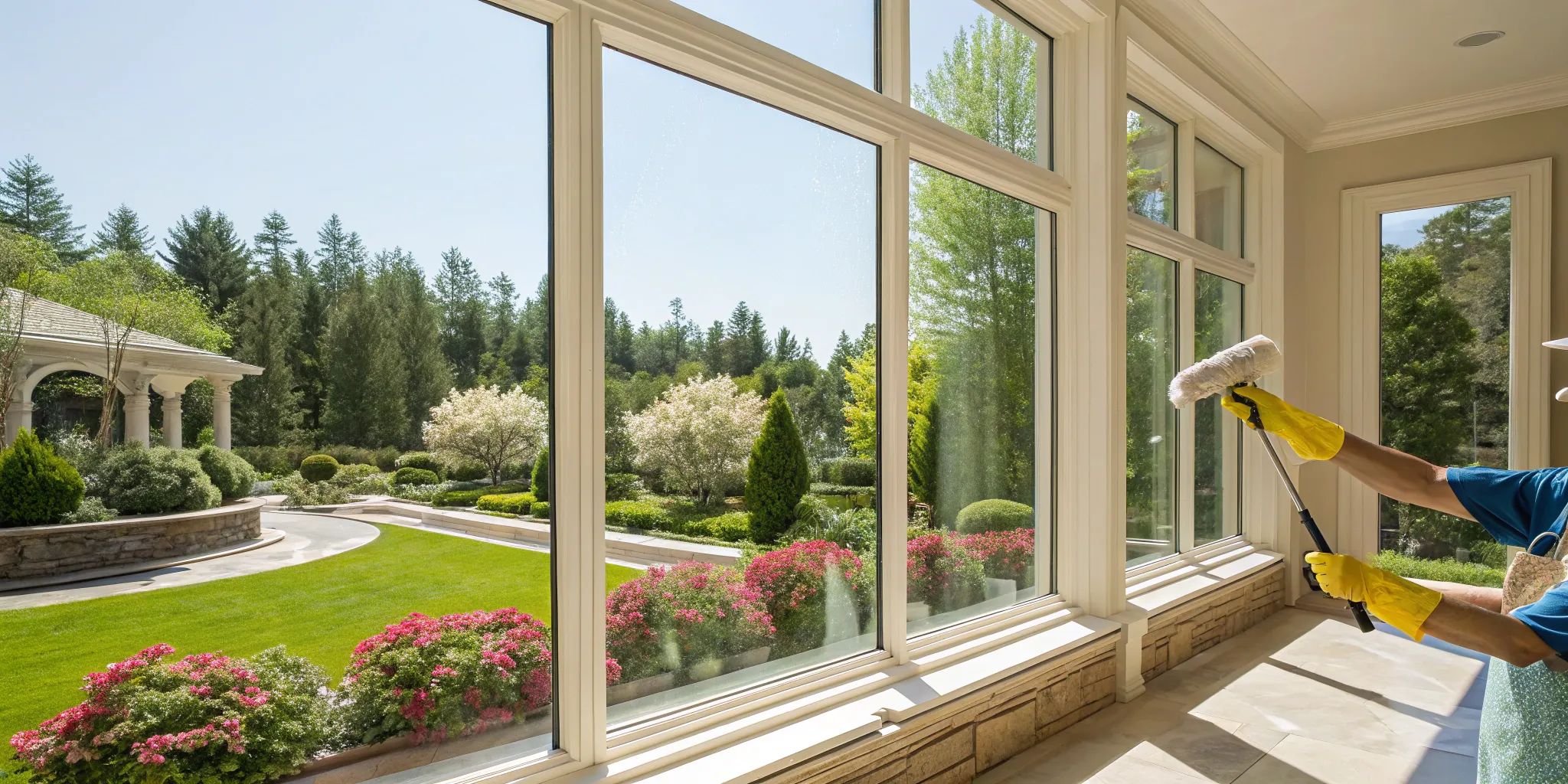
Your home’s windows are a significant investment, designed to provide stunning views and fill your space with natural light. However, Arizona's climate poses a unique threat. The combination of hard water and abrasive desert dust creates a corrosive film that can permanently etch your glass. Protecting that investment starts with knowing how to properly care for it. This guide is your go-to resource for removing hard water stains from glass without causing accidental harm. We’ll explore safe DIY techniques for tackling buildup and explain the crucial difference between a surface-level stain and permanent damage that needs an expert’s attention.
If you’ve ever noticed chalky white spots on your windows that just won’t wipe away, you’re likely dealing with hard water stains. Here in Arizona, it’s a common frustration for homeowners who want to enjoy our beautiful desert views through crystal-clear glass. These stubborn spots aren’t just dirt; they’re mineral deposits left behind by water. Understanding what causes them is the first step to getting rid of them for good and protecting your home’s windows.
Hard water is simply water with a high mineral content. As water flows through the ground, it picks up minerals like calcium and magnesium. While these are harmless to us, they can be a real nuisance for our homes. When hard water gets on your windows—whether from a sprinkler, a hose, or even rain—and then evaporates, it leaves those mineral deposits behind.
At first, these deposits might look like a light, hazy film. But over time, they build up, creating those distinct, opaque white spots. Unlike regular grime, these minerals can chemically bond with the glass, making them incredibly difficult to remove with standard cleaners. This buildup not only obstructs your view but can also lead to more serious, permanent damage if not addressed correctly.
The process is simple: water evaporates, minerals stay. Here in Maricopa County, our water is notoriously hard, which means every drop that dries on your glass leaves a higher concentration of minerals behind. This is why you’ll often see the most significant staining on windows hit by sprinklers or on glass shower doors.
The problem is compounded by our unique environment. The Sonoran Desert dust isn't just ordinary dust; it's filled with fine, abrasive particles. When this corrosive desert dust settles on your windows and then gets wet, it creates a potent mix that accelerates staining and can even begin to etch the glass surface. Etching is permanent damage that looks like a cloudy stain but is actually a physical change in the glass itself. That’s why it’s so important to clean these stains early before they have a chance to cause lasting harm.
Before you start scrubbing, gathering the right supplies will make the job much easier and more effective. Depending on how stubborn your hard water spots are, you might find everything you need right in your pantry. For more severe buildup, a trip to the store for a specialized cleaner might be in order. Having your tools ready means you can tackle the stains efficiently without having to stop midway through. Think of it as setting up your workstation for success. This preparation step is key to getting that crystal-clear finish you’re looking for and protecting your glass from further damage.
You might be surprised to learn that some of the best hard water fighters are likely already in your kitchen. The acidic nature of white vinegar and lemon juice is perfect for breaking down the alkaline mineral deposits (like calcium and magnesium) that cause those chalky stains. You can create a simple and effective cleaning solution by mixing equal parts white vinegar and water in a spray bottle. For a bit more abrasive power on tougher spots, a paste made from baking soda and a small amount of water can be gently applied. These ingredients are not only effective but also inexpensive and readily available for a quick DIY cleaning project.
When household remedies don’t quite cut it, it’s time to look at commercial-grade products. These cleaners are specifically formulated to dissolve heavy mineral buildup without damaging your glass. Look for products labeled as hard water stain removers; many contain mild acids or fine abrasives that power through spots that vinegar can’t handle. While these are stronger than DIY solutions, it’s important to remember that the most challenging stains—especially those baked on by the Arizona sun—often require professional treatment. Our technicians use proprietary formulations developed to handle the unique challenges of our desert environment, breaking the bond between dust and glass.
Safety and preparation are just as important as the cleaning itself. Before you begin, lay down towels to protect window sills, frames, and flooring from drips. When working with any cleaning solution, especially acidic ones like vinegar or commercial products, always wear rubber gloves to protect your skin and consider safety glasses to prevent splashes from getting in your eyes. It’s also critical to address these stains as soon as you notice them. Over time, the mineral deposits can cause permanent damage by etching into the glass. Once the glass is etched, no amount of cleaning can reverse it, which is why regular maintenance is so important for preventing corrosive desert damage.
Before reaching for harsh chemicals, you might find that some of the most effective cleaning agents are already in your pantry. For light to moderate hard water spots, these natural, DIY solutions can work wonders. They are inexpensive, readily available, and gentler on your glass and the environment. These methods are a great first step in your cleaning routine and can help you maintain your windows between professional cleanings, especially here in Arizona where dust and minerals are a constant battle.
One of the most reliable methods for tackling mineral buildup involves white vinegar. Its acetic acid is perfect for dissolving the calcium and magnesium deposits that cause those chalky stains. Start by mixing equal parts white vinegar and distilled water in a spray bottle. Generously spray the solution onto the glass, making sure to saturate the stained areas completely. Let it sit for at least five to ten minutes to give the acid time to work. Then, scrub the area with a non-abrasive sponge or a clean microfiber cloth. For a final touch, rinse the glass thoroughly with clean water and dry it with a squeegee or another fresh cloth for a streak-free shine.
If vinegar alone doesn’t cut it, a baking soda paste can provide the gentle abrasion needed to lift more stubborn spots. Baking soda is a mild alkali that can dissolve mineral deposits without scratching your glass. To create the paste, simply mix baking soda with a small amount of water until it has a thick, spreadable consistency. Apply this paste directly to the hard water stains and let it sit for about 15 minutes. For an extra cleaning kick, you can spray the paste with your vinegar solution to create a fizzing action that helps break down the minerals. Gently scrub the area with a soft cloth, rinse completely with water, and dry the glass.
Similar to vinegar, the citric acid in lemon juice is a fantastic natural cleaner for dissolving hard water stains. You can use fresh lemon juice directly on the stains or mix it with water in a spray bottle. For an even more powerful option, you can find powdered citric acid online or in grocery stores. Apply the lemon juice to the glass, let it sit for several minutes to break down the mineral deposits, and then scrub with a soft sponge. If you’re using it with baking soda, you can apply a paste first, then wipe it away with a cloth soaked in lemon juice. As always, finish by rinsing the glass with clean water and drying it thoroughly to prevent new spots from forming.
Let's be honest: sometimes, vinegar and lemon juice just don't cut it. Here in Maricopa County, the combination of intense sun and mineral-rich water can bake hard water spots onto glass, making them incredibly difficult to remove. When you're dealing with stubborn, layered buildup, a commercial cleaner is often the next logical step. These products are specifically formulated with ingredients designed to dissolve the calcium and magnesium deposits that cause those chalky white stains.
While many of these cleaners are effective, they are also more powerful than household solutions. The key is to choose the right product for the severity of your stain and to apply it correctly to avoid accidentally scratching or damaging your glass. Think of it less as aggressive scrubbing and more as a chemical process where you let the product do the heavy lifting. For luxury homes with significant glass investments, it's always wise to proceed with caution or trust the job to a certified professional who understands how these compounds interact with different types of glass.
When you’re ready to move on from DIY solutions, look for a product specifically labeled as a hard water stain remover. These cleaners typically use a combination of fine abrasives and gentle acids to break down mineral bonds without harming the glass itself. A popular choice among both homeowners and professional cleaners is Bio-Clean Hard Water Stain Remover, which has a reputation for tackling years of buildup on shower doors and windows. No matter which product you choose, always start by testing it on a small, out-of-the-way spot to ensure it’s compatible with your glass before applying it to a larger area.
If a standard hard water cleaner doesn’t work, you may be dealing with stains that have started to chemically bond with the glass surface. This is when a glass restoration product might be necessary. Cleaners like Bring It On Cleaner are designed for this exact scenario, offering a more intensive treatment for spots that have resisted other methods. However, using these stronger formulas increases the risk of creating fine scratches if not applied correctly. If you find yourself reaching for a restoration product, it may be a sign that the problem requires a professional touch to avoid permanent damage to your windows.
The secret to using commercial cleaners effectively isn't elbow grease—it's proper application. Most products work best when applied with a non-abrasive pad or a microfiber cloth in a gentle, circular motion. For example, many users find that a product like Bar Keeper's Friend can dissolve stains on contact with very little scrubbing. After letting the product sit for the recommended time, rinse the glass thoroughly with clean water. This final rinse is crucial; any leftover chemical residue can attract the corrosive desert dust common in our area and create a new film on your freshly cleaned window.
When you’re dealing with cloudy buildup that just won’t budge, it’s time to bring out a more targeted approach. Severe hard water stains are common here in Arizona, where our water is rich in minerals and the sun bakes them onto the glass. This isn't just an eyesore; over time, these mineral deposits can cause permanent damage. The key is to work methodically and use the right techniques to dissolve the minerals without harming your windows.
This step-by-step process is designed for those stubborn spots that resist basic cleaning. Remember to be patient and gentle—aggressive scrubbing can lead to scratches, turning one problem into another. Before you begin, make sure you have your supplies ready, including distilled white vinegar, baking soda, a spray bottle, and several clean microfiber cloths. With a little effort, you can restore clarity to your glass and get your beautiful views back.
First, take a close look at the glass. Are you dealing with a surface-level stain or something more serious? Hard water stains are mineral deposits left behind when water evaporates. If caught early, they can be removed. However, if left for too long, these minerals can corrode the surface, creating a permanent imperfection known as etching. An etched window will still look cloudy even after a thorough cleaning because the glass itself is damaged. If you run a fingernail over the spot and it feels rough or pitted, you might be dealing with etching. Before applying any cleaning solution, wipe the window down with a clean, dry cloth to remove any loose dust or debris. This prevents you from grinding abrasive particles into the glass while you clean.
For tough stains, a simple vinegar and water solution is your best starting point. Mix equal parts distilled white vinegar and distilled water in a spray bottle. Spray the solution generously over the hard water stains, ensuring the entire area is saturated. The key here is dwell time—let the acidic vinegar solution sit on the glass for at least 30 minutes to give it time to break down the mineral deposits. If the stains are especially stubborn, you can use undiluted "cleaning vinegar" and create a paste by mixing three parts baking soda with one part water. After letting the vinegar spray sit, apply the paste directly to the stains with a soft cloth.
Once your cleaning solution has had time to work, it’s time to gently scrub. Using a clean microfiber cloth or a non-abrasive scrub pad, work the solution into the glass using small, circular motions. An old toothbrush can be helpful for getting into tight corners and around window frames. The goal is to let the chemical reaction do the work, not brute force. You want to avoid scratching the glass, which can happen easily if you use the wrong tools or scrub too aggressively, especially when dealing with the fine particles found in our local corrosive desert dust. Rinse your cloth frequently to avoid reapplying the minerals you’ve just lifted. After scrubbing, rinse the glass thoroughly with distilled water and dry it completely with a fresh microfiber cloth or a squeegee.
You’ve scrubbed with vinegar, made a baking soda paste, and put in some serious elbow grease, but those cloudy spots are still clinging to your glass. It’s a frustrating situation, but it doesn’t mean you’re out of options. When DIY methods fall short, it’s usually because the buildup is more severe than it appears or the glass itself has changed. Before you get discouraged, it’s important to understand what you’re really up against and when it’s time to pass the baton to a professional. Sometimes, the most effective step is knowing when to stop to prevent accidental damage.
If a stain won’t budge, you might be dealing with etching. Think of it this way: a hard water stain is a mineral deposit sitting on top of the glass, like a sticker. Etching, however, is physical damage to the glass surface itself, like a scratch. The corrosive minerals and high pH in hard water, especially when combined with Arizona’s intense sun and abrasive dust, can eat away at the glass over time. This process creates microscopic pits that scatter light, making the glass look cloudy or hazy. While you can remove surface stains, etching is permanent damage that can’t be scrubbed away.
For truly stubborn mineral deposits that haven't yet caused etching, you can try a few last-resort DIY methods. A non-scratching melamine foam sponge, often sold as a "magic eraser," can sometimes lift tough buildup. You can also look for a commercial cleaning product specifically formulated for hard water or limescale, but be sure to read the label to confirm it’s safe for glass. Always test any new product or technique on a small, inconspicuous area first. This helps ensure it won’t cause scratches or other damage to your windows or shower doors.
If you’ve tried everything and the glass still looks cloudy, it’s time to call in the experts. Continuing to scrub at etched glass can make the damage worse. Professional window cleaners have access to specialized tools and industrial-grade products that aren’t available in stores. At Essential Washing, our 100% Certified Professional Window Cleaners use proprietary formulations developed specifically to combat Maricopa County’s harsh conditions. We know how to safely remove years of buildup without damaging your glass. As our client Diane Monahan shared, we do an "excellent job working on windows that were very dirty and had hard water deposits on them."
Don’t risk permanent damage to your beautiful windows. If you’re struggling with stubborn stains, schedule a complimentary inspection with our team.
After putting in the effort to get your glass sparkling clean, the last thing you want is for those chalky white spots to reappear. Prevention is your best strategy for keeping them away for good. In Maricopa County, where our water is notoriously hard and the dust is relentless, staying ahead of stains is a crucial part of home maintenance. A few key adjustments to your routine and some smart long-term solutions can protect your windows and shower doors, saving you from having to scrub them down again and again. By tackling the problem at its source, you can maintain that crystal-clear view you worked so hard to restore.
The easiest way to prevent hard water buildup is to stop it before it starts. For shower doors, keep a squeegee handy and give the glass a quick wipe-down after every use. This removes water droplets before they can evaporate and leave minerals behind. For exterior windows, pay close attention to any that get hit by sprinklers. Wiping them with a dry microfiber cloth after the sprinklers run can make a huge difference in preventing spots from forming. These simple habits take less than a minute but have a big impact.
If you’re tired of fighting a constant battle with hard water, the most effective long-term fix is to treat the water itself. Installing a whole-home water softener is the best way to stop stains for good. These systems remove minerals like calcium and magnesium from your water before they ever reach your faucets and sprinklers. While it’s an investment, a water softener addresses the root of the problem and helps solve many of Arizona's hard water challenges, protecting not just your glass but also your plumbing and appliances from scale buildup.
For an added layer of defense, consider applying a protective coating to your glass. Professional-grade hydrophobic treatments create an invisible barrier that causes water to bead up and roll right off, taking minerals and dirt with it. This is especially valuable for exterior glass here in the valley, as it helps protect against the fine, abrasive particles found in our corrosive desert dust. While DIY products are available, a professionally applied coating offers greater durability and performance for long-lasting protection, making your glass much easier to keep clean.
When you're staring down stubborn hard water spots, it’s tempting to reach for the strongest product you can find or scrub with all your might. But taking the wrong approach can lead to irreversible damage like scratches, etching, or dulled finishes on your window frames. Protecting your beautiful windows means knowing not just what to do, but what not to do. Before you tackle those stains, make sure you steer clear of these common missteps that can do more harm than good to your home's glass.
Many DIY guides recommend vinegar, and while it can be effective, it's not a one-size-fits-all solution. The acidity can harm special glass types, like etched or colored panes, and damage surrounding window frames or seals. If you're unsure, always test it on a small, inconspicuous area first. Some commercial cleaners also pose a risk, containing harsh chemicals that can harm your glass or nearby metal finishes. It's always best to choose gentle cleaners or mild soap and water to protect delicate surfaces and avoid unintended damage to your home's beautiful fixtures.
The minerals in hard water are abrasive, and grinding them into the glass while cleaning is a recipe for permanent scratches. Always use a soft microfiber cloth or a non-abrasive scrubber designed specifically for glass. While some suggest using gentle abrasives like a melamine sponge, proceed with extreme caution, as these can easily mar delicate glass surfaces if used improperly. The key is to let your cleaning solution do the heavy lifting, not elbow grease. Apply gentle, even pressure and rinse thoroughly to wash away dissolved minerals instead of rubbing them into the pane.
Living in Arizona, we get to enjoy incredible sunshine and stunning desert landscapes. But that same environment can be tough on our homes, especially our windows. After you’ve put in the work to remove hard water stains, the last thing you want is for them to come right back. Protecting your glass is about more than just keeping up appearances; it’s about preserving the clarity of your views and the value of your home. The key is to shift from reactive cleaning to proactive protection, creating a defense against the unique challenges of our climate. With a few consistent habits and the right strategies, you can keep your windows looking pristine year-round.
In Maricopa County, we're dealing with more than just typical hard water. Our water is rich in minerals like calcium and magnesium, which are the culprits behind those chalky white spots. When water from a sprinkler or hose evaporates on your windows, it leaves these minerals behind. But here’s the real issue: that residue then combines with the corrosive desert dust that’s constantly in our air. This mixture creates a stubborn, abrasive film that doesn’t just sit on the surface—it can actually bond with and etch the glass over time, causing permanent damage. It’s a frustrating cycle that makes regular cleaning feel like an uphill battle.
The best way to manage hard water stains is to stop them from forming in the first place. Regular cleaning is your first line of defense, as it removes mineral and dust buildup before it can cause damage. For an even stronger approach, consider applying a professional-grade hydrophobic coating. These treatments create an invisible barrier on your glass that repels water, causing it to bead up and roll away instead of sitting and evaporating. This makes cleaning much easier and significantly reduces spotting.
Simple habits also make a big difference. If you have windows that are regularly hit by sprinklers, adjusting the sprinkler heads can be a game-changer. For glass shower doors, using a squeegee after each use prevents water from drying on the surface. If you’re unsure about the condition of your glass or the best way to protect it, getting a professional assessment can provide clarity. An expert can identify early signs of corrosion and recommend a maintenance plan tailored to your home, ensuring your windows stay beautiful for years to come.
My windows still look hazy after I cleaned them. Is the stain permanent? If you’ve scrubbed away and the glass still has a cloudy or foggy appearance, you are likely dealing with etching. A hard water stain is a mineral deposit sitting on the surface of the glass, but etching is physical damage where minerals have corroded the glass itself. This often happens in our sunny climate when mineral buildup is left for too long. Unfortunately, etching cannot be removed with cleaning, which is why it’s so important to address stains early or have a professional assess the damage.
How often do I really need to clean my windows to prevent hard water stains in Arizona? There isn't a single magic number, as it depends on your home's specific exposure to sprinklers and dust. However, a good rule of thumb in Maricopa County is to plan for a full, professional cleaning at least twice a year. For windows in high-splash zones, like those near your lawn or pool, a quick wipe-down after they get wet can make a huge difference. Regular maintenance is the key to preventing the corrosive desert dust from bonding with mineral deposits and causing long-term damage.
I've heard you can use super fine steel wool for tough spots. Is that safe? This is a common myth, and it’s one of the riskiest things you can do to your glass. Even the finest grade of steel wool can create micro-scratches on the surface of your windows. While you might not see them at first, these tiny scratches will trap dirt and minerals over time, making your windows look dull and even harder to clean in the future. It’s always best to stick with non-abrasive tools like microfiber cloths and soft sponges.
Why are the stains so much worse on the windows near my lawn? This is almost always caused by sprinklers. The repeated cycle of water spraying onto the glass and then evaporating under the sun quickly leads to a heavy concentration of mineral deposits. The best thing you can do is check your sprinkler heads and adjust them so they water your lawn, not your windows. If you can’t avoid the overspray, make it a habit to wipe those windows dry after the sprinklers run.
Are professional protective coatings actually worth the investment? For homeowners in our climate, they absolutely can be. A professionally applied hydrophobic coating creates an invisible shield on your glass that repels water. Instead of sitting on the surface and leaving mineral spots, water beads up and rolls right off. This makes your windows significantly easier to clean and provides a powerful defense against the corrosive mix of hard water and desert dust, ultimately protecting your glass from permanent damage.